
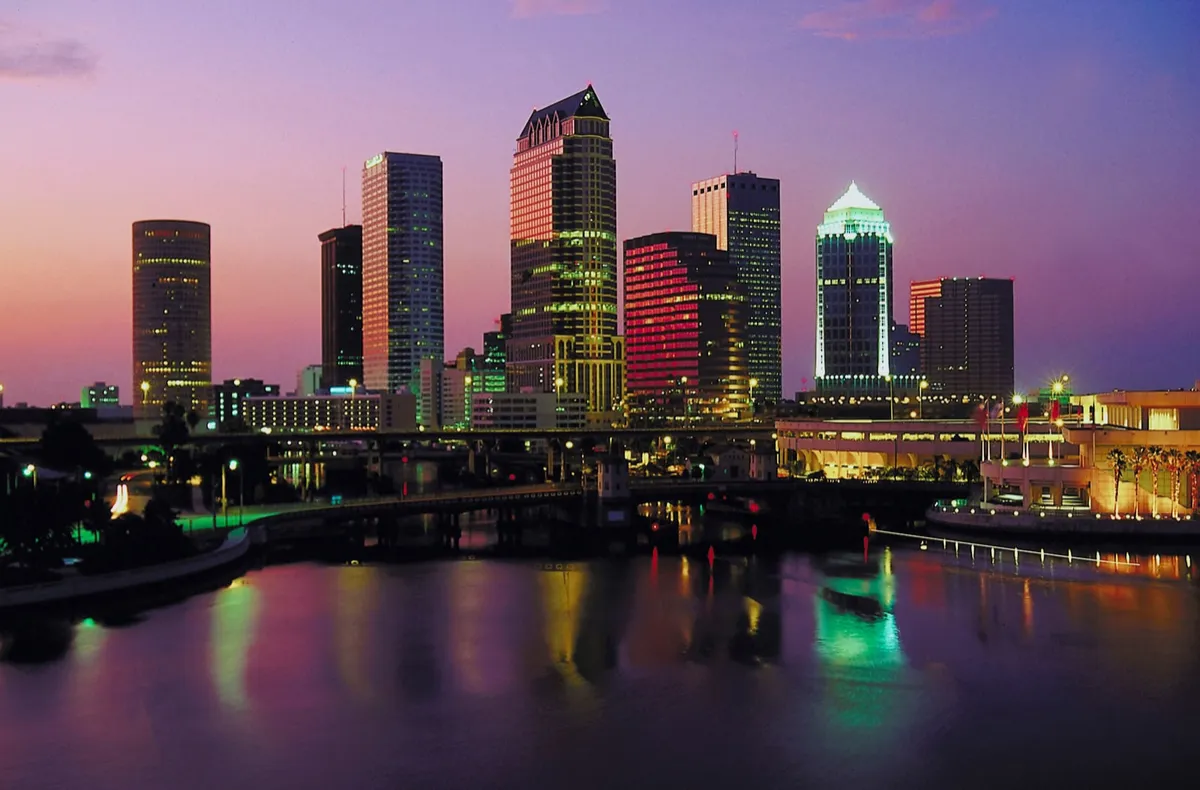
How Local Development Can Affect Tampa Property Values
When people think about what influences a home’s value, they often focus on square footage, condition, upgrades, and location. But one factor that can have a major long-term impact is often overlooked: local development.
New roads, schools, retail centers, office developments, public spaces, transportation projects, and major community investments can all change how desirable an area becomes.
In a growing market like Tampa Bay, understanding what is being built nearby can help buyers, sellers, and investors make better real estate decisions.
Local development does not always increase property values automatically, but it can reshape demand, convenience, and neighborhood perception over time.
New Infrastructure Can Improve Accessibility
Transportation and infrastructure projects can make an area easier to reach and more convenient to live in.
New roads, highway improvements, public transportation, bike paths, and improved intersections can reduce travel times and connect neighborhoods to employment centers, shopping, schools, and entertainment.
For homeowners, improved accessibility can make a location more attractive to future buyers. A neighborhood that once felt too far from major destinations may become more desirable after infrastructure improvements are completed.
However, buyers should also consider potential downsides such as increased traffic, construction activity, or noise near major projects.
Retail and Dining Can Increase Neighborhood Appeal
New restaurants, grocery stores, shopping centers, and entertainment options can significantly change the lifestyle of a neighborhood.
Convenient access to everyday services is something many buyers value. Being close to supermarkets, coffee shops, fitness centers, and dining can make a community feel more complete and reduce the need for long drives.
As an area gains more amenities, buyer interest may increase, particularly among people who prioritize convenience and lifestyle.
That increased demand can sometimes support stronger property values over time.
Employment Growth Can Create Housing Demand
Commercial development is another major factor to watch.
When companies open offices, medical centers, distribution facilities, or business campuses in an area, new jobs are often created nearby. Employees may prefer to live closer to work, increasing demand for housing in surrounding neighborhoods.
For real estate investors, job growth can also support rental demand.
This is one reason buyers should look beyond the home itself and pay attention to the broader economic activity happening around the neighborhood.
New Schools and Community Resources Matter
Schools, parks, libraries, recreation centers, and other public amenities can also influence how buyers view a community.
Families may prioritize proximity to schools and recreational facilities, while buyers of all ages may value parks, walking trails, and community spaces.
Even improvements to existing amenities can change a neighborhood’s appeal.
When local governments or developers invest in community resources, it can signal that an area is expected to continue growing.
New Housing Can Have Mixed Effects
Large residential developments can create both opportunities and challenges for existing homeowners.
New communities can bring roads, shops, schools, and services that benefit the wider area. They can also increase awareness of neighborhoods that previously received less buyer attention.
At the same time, a significant increase in housing inventory can create more competition for sellers.
The type of housing being built matters as well. Luxury developments, apartments, townhomes, and entry-level homes can each influence the surrounding market differently.
Understanding supply and demand is important when evaluating how new construction may affect nearby property values.
Redevelopment Can Transform Older Areas
Some of the most significant changes happen when older commercial or residential areas are redeveloped.
Vacant buildings may become mixed-use communities. Older shopping centers can be replaced by new restaurants and housing. Underused land may be transformed into parks or commercial districts.
These projects can dramatically change how an area is perceived.
For buyers and investors, identifying neighborhoods in the early stages of redevelopment may reveal long-term opportunities. However, redevelopment can take years, and planned projects can change or be delayed.
That is why research is essential.
Construction Can Create Short-Term Challenges
Not every effect of development is immediately positive.
Major construction projects can bring temporary traffic, noise, road closures, and inconvenience. Some homeowners may also find that new commercial activity changes the character of their neighborhood.
Large developments can increase congestion or place additional pressure on local infrastructure.
For this reason, buyers should consider both the potential long-term benefits and short-term disruptions before purchasing near major development projects.
Look at What Is Planned, Not Just What Exists
One of the smartest things Tampa buyers can do is research future development before purchasing.
Look at local planning documents, proposed developments, infrastructure projects, zoning changes, and major commercial announcements.
A neighborhood may look very different five or ten years from now.
Understanding what is planned nearby can help you evaluate future convenience, demand, and potential property value. It can also help you identify risks that may not be obvious during a home showing.
Conclusion
Local development can have a powerful influence on property values by changing accessibility, amenities, employment opportunities, housing supply, and overall neighborhood demand.
But every project affects an area differently, which is why buyers and sellers should evaluate development plans carefully rather than assuming all growth will increase value.
For anyone evaluating how Tampa Bay’s changing neighborhoods may affect a purchase or sale, Rashad Walker Realty can help connect local market insight with your long-term real estate goals.